

What Does Any Condition Really Mean When a Company Says We Buy Houses Any Condition
You have probably seen the phrase many times: we buy houses under any condition. It appears on billboards, online ads, postcards, and yard signs. For many homeowners in Las Vegas, NV and surrounding areas, that phrase sounds almost too broad to believe. What does any condition really mean? Does it include serious damage? What about legal issues or neglected properties? Is it just a marketing language?
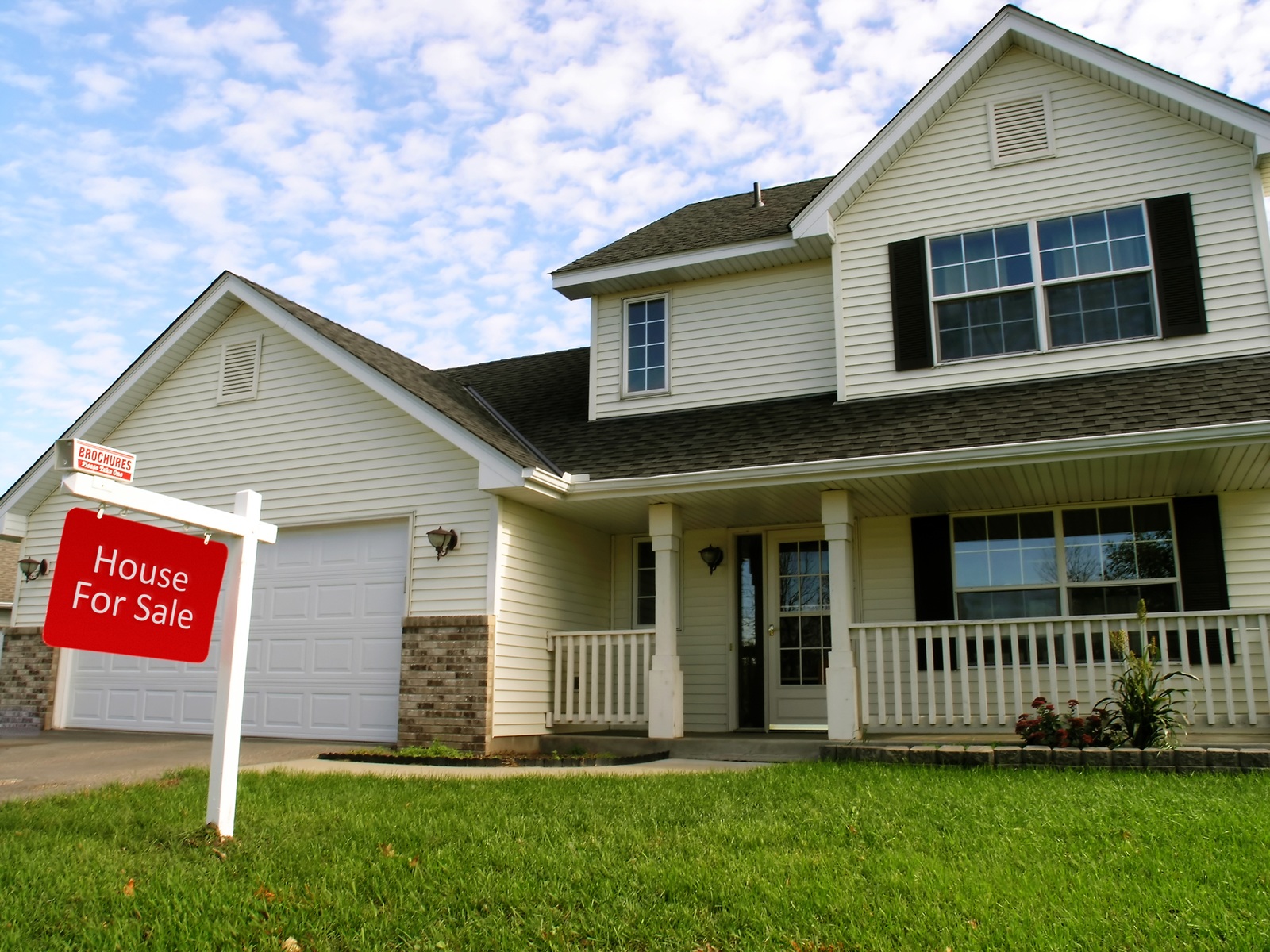
The answer depends on the company, but when used honestly, any condition means far more than cosmetic wear and tear. It reflects a different approach to buying homes, one that focuses on solving problems instead of avoiding them.
Understanding what this phrase actually covers can help homeowners decide whether a direct sale makes sense for their situation.
Why Traditional Buyers Avoid Certain Properties
Before defining any condition, it helps to understand how traditional buyers think. Most buyers rely on mortgage financing. Lenders require appraisals, inspections, and safety standards before approving loans. That means buyers must purchase homes that meet certain guidelines.
If a roof shows major wear, the electrical system appears outdated, or plumbing leaks exist, lenders may require repairs before closing. Buyers then hesitate because they do not want to invest time and money before they even own the home.
Cosmetic issues also influence perception. Stained carpet, peeling paint, outdated kitchens, and worn bathrooms can make a house harder to market. Buyers compare homes side by side. A property that needs work often loses attention to updated listings. This explains why many homes sit on the market when condition problems exist.
What Any Condition Actually Covers
When a company states that it buys houses any condition, it usually means the buyer expects issues and does not require the seller to fix them first. Instead of demanding repairs before closing, the buyer evaluates the property as it stands.
In practical terms, any condition often includes:
- Aging roofs
- Outdated HVAC systems
- Electrical panels that need upgrading
- Plumbing concerns
- Water damage
- Cosmetic neglect
- Foundation cracks
- Fire damage
- Termite damage
- Hoarder situations
- Unfinished renovations
In Las Vegas, where desert heat stresses roofing materials and cooling systems, these problems often appear. Companies that specialize in direct purchases understand these patterns and factor them into their evaluation process.
Cosmetic Condition Versus Structural Condition
Some homeowners assume any condition only applies to cosmetic issues. Cosmetic problems include worn flooring, faded paint, old cabinets, and outdated fixtures. Many buyers can overlook these flaws.
Structural or system issues feel more serious. Foundation movement, roof leaks, major plumbing failures, or electrical hazards often scare away traditional buyers. Lenders also pay close attention to these areas.
A company that truly buys any condition does not draw a line between cosmetic and structural concerns. Instead, it reviews the entire property, determines what repairs may be needed, and decides whether it can move forward without asking the seller to correct those issues first.
Deferred Maintenance and Long Term Wear
Deferred maintenance happens when small repairs go unattended over time. In Las Vegas, exposure to the sun and heat accelerates aging. Roofing materials dry out. Exterior paint fades. Cooling systems work harder than in milder climates. Homeowners may live comfortably in the property for years despite these issues. But once the house hits the open market, inspections highlight every detail.
Any condition means the seller does not need to bring systems up to modern standards before selling. The buyer expects that long-term wear exists and evaluates the home with that reality in mind.
Homes with Legal or Situational Complications
Condition does not always refer to physical problems. Sometimes the challenge lies in the situation surrounding the property.
For example, a house may have:
- Unresolved probate matters
- Multiple heirs
- Tenants still occupying the home
- Code enforcement notices
- Open permits
- Insurance claims in progress
Traditional buyers often hesitate when legal or occupancy complications exist. Companies that buy houses in any condition often have experience navigating these scenarios. They work with title companies and legal professionals to resolve paperwork instead of requiring the seller to untangle everything first.
Why Companies Can Accept Higher Risk
A common question arises: how can a buyer accept properties that others reject?
The difference lies in strategy. Traditional buyers usually purchase homes for personal residence. They want comfort, safety, and minimal renovation after closing.
Direct buyers approach properties as projects. They plan to update, repair, or reposition the home after purchase. Because they anticipate renovation work, they evaluate properties differently. Condition becomes part of the business plan rather than a surprise obstacle.
This shift in perspective allows them to accept homes that traditional buyers might walk away from.
Does Any Condition Mean No Evaluation?
Some sellers worry that the phrase any condition implies a rushed or careless process. That is not accurate. Responsible buyers still inspect the property and review necessary details. They simply do not require the seller to correct issues beforehand.
The evaluation helps determine feasibility, timeline, and next steps. Transparency remains important. Sellers should always feel comfortable asking how the buyer assesses the condition and what factors influence the offer.
Situations Where Any Condition Brings Relief
For many homeowners, hearing any condition brings relief because it removes pressure. Consider these common scenarios in Las Vegas:
- An inherited home filled with belongings
- A rental property with years of tenant wear
- A house with aging systems that would require major updates
- A partially remodeled property where work stopped midway
- A home damaged by water or fire
In these cases, preparing the house for listing could take months. Selling as is without repair demands allows the owner to move forward faster.
When Any Condition May Not Be Necessary
Not every homeowner needs a buyer who accepts any condition. If the property shows strong cosmetic appeal and systems are up to date, listing traditionally may still work well.
The phrase any condition becomes meaningful when obstacles exist. It serves homeowners who feel stuck because of property issues or life circumstances.
Questions Sellers Should Ask
Even when a company states it buys houses any condition, sellers should ask clear questions:
Do you require repairs before closing?
How do you evaluate major system issues?
Will inspections reopen negotiations later?
How do you handle legal or title complications?
Honest communication builds trust and prevents confusion.
Understanding the Bigger Picture
In Las Vegas, NV and surrounding areas, housing conditions vary widely. Some homes remain newly built. Others reflect decades of wear under desert conditions. The phrase any condition exists because real estate challenges differ from property to property.
When used properly, it does not serve as a vague slogan. It signals flexibility. It means the buyer looks beyond surface issues and focuses on moving forward. For homeowners facing repairs, deferred maintenance, or complex circumstances, that flexibility can make a difficult transition much smoother.
FAQs About Selling a House in Any Condition in Las Vegas, NV
Does any condition include serious structural problems?
Yes. Many direct buyers review structural issues and factor them into their evaluation.
Do I need to clean or empty the house before selling?
Not always. Many buyers accept properties as they are, including contents.
Will I need to repair roof or HVAC problems first?
Typically no. Buyers who accept any condition expect system wear.
Can I sell if the home has code violations?
Yes, but the buyer will review the situation and confirm next steps.
Is any condition common in Las Vegas homes?
Yes. Desert heat and aging systems create wear that many buyers account for.
If you need to sell a house in any condition in Las Vegas, NV or the surrounding areas, contact Cash For Vegas Homes at (702) 850-8001 to discuss your options.