

Why Some Homes Sit Unsold but We Buy Houses in Any Condition Buyers Still Make Offers
Many homeowners feel confused when their house sits on the market with little activity, while a direct buyer still shows interest. It can seem contradictory. If regular buyers are not making offers, why would a company that buys houses in any condition step in and say yes?
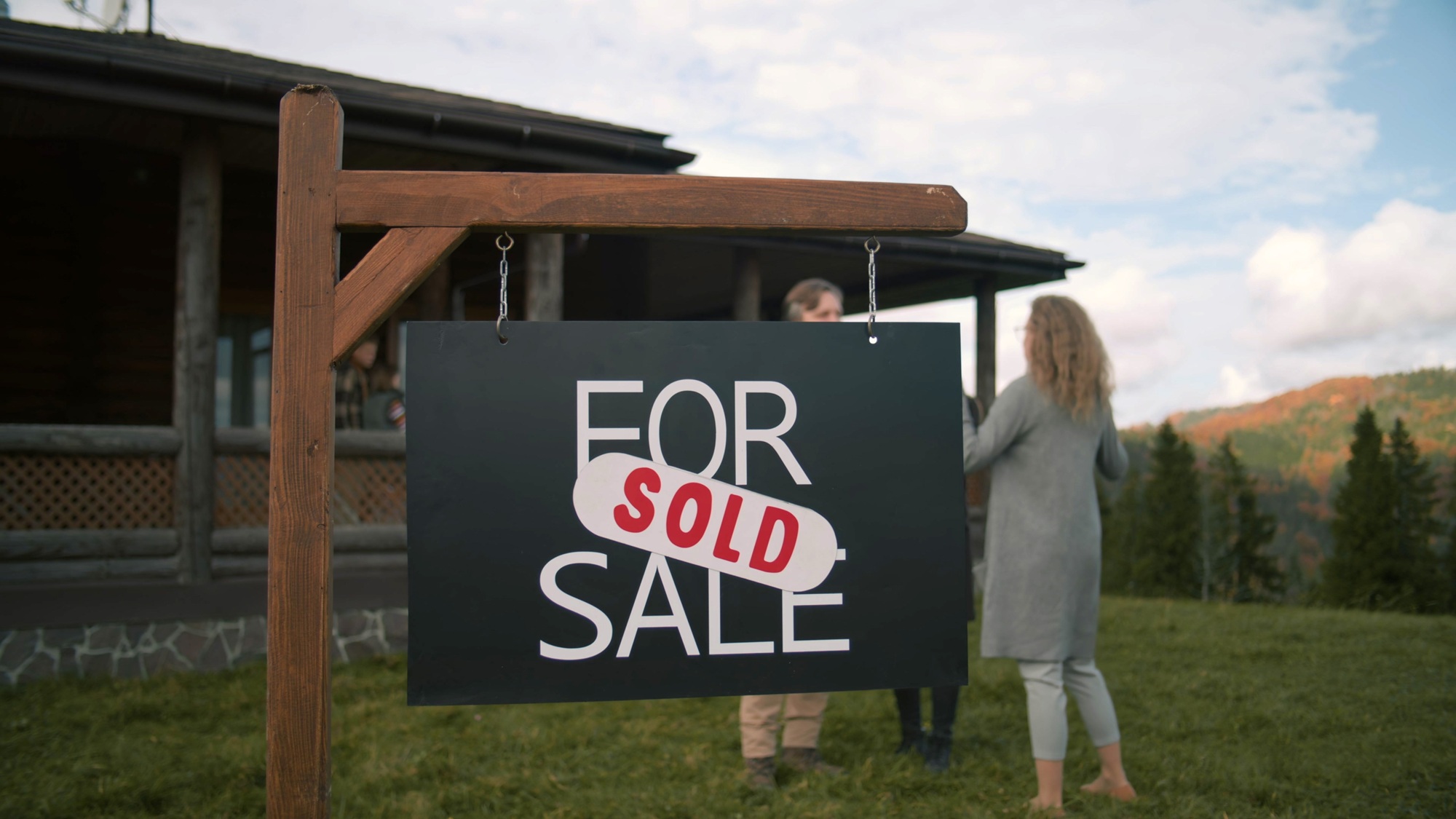
The answer comes down to how different buyers look at the same property. A traditional buyer usually wants a home that feels move-in ready, looks good in photos, and meets lender expectations. A direct buyer looks at the property from a different angle. They are not comparing your house to a dream home. They are asking whether the home still has value, potential, and a path forward.
This difference explains why some houses stay unsold through the traditional process while direct buyers still make offers. For many homeowners in Las Vegas, NV and surrounding areas, understanding that difference can make the selling process less frustrating and more realistic.
Traditional Buyers Often Shop With Emotion First
Most retail buyers do not begin with numbers. They begin with emotion. They picture where the furniture will go, what their family gatherings will look like, and whether the kitchen feels updated enough for their taste. If the house does not feel right in the first few minutes, they often move on.
That emotional filter matters more than many sellers realize. A buyer may scroll through dozens of listings in one sitting. If your home looks dated, crowded, worn down, or poorly lit in photos, many people never make it to the showing stage. Even if the structure is solid, the first impression may stop them cold.
Direct buyers do not shop that way. They do not need the home to create an emotional reaction. They are not trying to picture a perfect lifestyle in the property. They are focused on the condition, location, layout, and what it would take to improve the house after purchase.
Condition Problems Push Retail Buyers Away Quickly
A house does not need to be falling apart to struggle on the market. Small issues can add up fast. Old flooring, worn paint, outdated bathrooms, damaged cabinets, a stained ceiling, or an aging roof can all make a buyer feel uncertain.
In Las Vegas, desert heat also adds pressure on major systems. Air conditioning matters. Roof condition matters. Exterior wear matters. Buyers know that if those systems are near the end of their life, more money and effort may follow after closing. That concern can keep them from making an offer at all.
Direct buyers expect these issues. They do not assume the house will be perfect. They often review the property, knowing it may need cleanup, repairs, and updates. Because of that, problems that scare off retail buyers do not always stop them from making an offer.
Financing Creates Barriers That Sellers Never See
A seller may think the house simply lacks buyer interest when the real issue is financing. Traditional buyers often rely on mortgage approval. That means the property has to meet lender and appraisal standards.
If the roof looks too worn, if electrical issues show up, if plumbing problems raise concerns, or if the appraiser questions the condition, financing can become difficult. Even when a buyer likes the home, the lender may not support the transaction without repairs.
This is one reason homes sit unsold. The house may attract attention, but buyers cannot move forward easily because the deal depends on outside approval.
Direct buyers remove much of that barrier. They do not rely on the same bank process as a retail buyer. They can look past issues that might stop a financed sale and still decide the property makes sense.
Some Homes Miss The Market’s Current Expectations
Every market has a style bias. At certain times, buyers want updated kitchens, bright interiors, clean landscaping, and neutral finishes. Homes that feel older or less polished tend to get ignored, even if they are functional and well-located.
This happens often in neighborhoods where updated homes set the tone. A house with original finishes may look weak next to one with fresh flooring, modern fixtures, and clean staging. Buyers compare quickly, and the less updated property loses momentum.
Direct buyers are not looking for trend appeal. They understand that a home with old finishes may still hold strong value once work is completed. That helps explain why they continue making offers on homes that buyers skip.
Deferred Maintenance Changes Buyer Behavior
Long-term deferred maintenance is one of the biggest reasons houses sit unsold. A single issue may not stop a deal, but several issues together create hesitation.
A house may have an old HVAC system, worn windows, cracked exterior surfaces, and outdated plumbing. None of these problems alone may destroy the property, but together they create the sense that the house will demand too much effort.
Retail buyers often do not want a long project after closing. They want a home they can live in with minimal disruption. Once they sense a long repair list, they back away.
Direct buyers often step in exactly because of that repair list. They expect work. They plan for it. Where a retail buyer sees stress, a direct buyer sees a known part of the process.
Layout And Design Matter More Than Sellers Think
Some homes sit because the layout no longer fits current buyer preferences. The house may be in decent condition but still feel hard to sell because of chopped up rooms, awkward traffic flow, low natural light, or outdated room use.
A retail buyer usually sees those issues as a problem. They may not know how to fix the layout or may assume the cost and effort will be too high.
Direct buyers often know how to evaluate layout differently. They may see simple ways to improve flow or know that the right updates can make the home more usable. This allows them to stay interested even when typical buyers walk away.
Tenant-Occupied or Cluttered Properties Struggle In Listings
Some homes sit unsold because they do not show well. The issue may not be the structure at all. It may be the way the property appears during marketing and showings.
Tenant-occupied homes often create this problem. Scheduling becomes difficult. Cleaning may not happen. Personal belongings can overwhelm the space. The photos may look dark, crowded, or chaotic. Buyers judge the house before they ever understand its potential.
Homes with hoarding issues, leftover belongings, or years of storage also struggle for the same reason. The property may still be solid, but the presentation blocks interest.
Direct buyers are less focused on presentation. They can look through clutter, tenant wear, and poor staging and still assess whether the house makes sense.
Days On Market Can Create A Negative Cycle
Once a home sits too long, buyers notice. They begin asking why it has not sold. Even if the reason is simple, like weak photos or needed repairs, the market often assumes something must be wrong.
This creates a negative cycle. The longer the home sits, the more suspicious buyers become. Lower interest leads to fewer showings. Fewer showings lead to even less activity.
By that point, the seller may feel discouraged and confused. A direct buyer can break that cycle because they are not reacting to days on market the same way. They are evaluating the property itself, not just the public history of the listing.
Direct Buyers Solve Different Problems Than Retail Buyers
Retail buyers are trying to find the right home for their lives. Direct buyers are trying to solve a transaction problem. That difference matters.
A direct buyer may be willing to purchase a house because the seller needs speed, because the house needs work, because financing is difficult, or because the listing path has already failed. They are not competing with a retail buyer on emotion. They are solving a different kind of need.
This is why some houses can sit for months and still attract a direct offer. The same property that fails with emotional buyers may still work for someone focused on repairs, timing, and long-term potential.
Sellers Often Confuse “Unsellable” With “Hard To Sell Traditionally”
A home that sits unsold is not always unsellable. More often, it is simply hard to sell through the traditional process.
That distinction matters. A house may not fit the retail market because of repairs, layout, condition, occupancy issues, or financing barriers. But that does not mean the property has no path forward. It may simply need a different type of buyer.
This perspective helps homeowners avoid panic. If your house has struggled on the market, it does not automatically mean the property has no value. It may just mean the traditional market is not the best fit.
Why This Matters For Homeowners In Las Vegas
Las Vegas and the surrounding areas include a wide mix of housing. Some homes are newer and highly polished. Others are older, heavily used, or affected by desert wear. That creates a gap between what the retail market wants and what actually exists in many neighborhoods.
For homeowners dealing with repair needs, an outdated home, tenant problems, or a listing that failed to gain traction, direct buyers often remain one of the few realistic paths forward. They are not scared away by the same factors that stop retail buyers because they are solving a different equation.
That does not mean every seller should skip the market. It means sellers should understand why interest looks different depending on who the buyer is.
When a house sits unsold, it is easy to feel stuck. But a slow listing does not always mean the property lacks value. It often means the home no longer matches what the traditional market wants right now.
Direct buyers continue to make offers because they understand condition, complexity, and potential differently. They look past the barriers that stop financed buyers and focus on whether the home still makes sense as a purchase.
For sellers, that difference can open the door to a solution that feels much more practical than waiting and wondering.
FAQs About Unsold Homes and Direct Buyers in Las Vegas, NV
Why would a direct buyer want my house if no one else made an offer?
Direct buyers look at condition, location, and long-term potential instead of relying on emotional appeal or lender approval.
Can a house sit on the market just because it needs repairs?
Yes. Repair needs often reduce buyer confidence and create financing problems, even when the house still has value.
Do direct buyers care about clutter or poor presentation?
They usually focus more on the property itself than on how it looks during a showing.
Why do older homes struggle more with traditional buyers?
Older homes often have outdated systems, layouts, or deferred maintenance that make buyers hesitate.
Does a failed listing mean I cannot sell my house?
No. It often means the traditional market was not the right fit for the property’s condition or situation.
If your home has been hard to sell and you want a simpler option in Las Vegas, NV and the surrounding areas, contact Cash For Vegas Homes at (702) 850-8001 to discuss your next step.